In Luke 6:48, Jesus describes a well-built house with a strong foundation, able to withstand a flood. This is a powerful reminder for us in youth ministry, especially with the challenges facing today's youth. Just as houses built on shaky foundations fall when floods come, students who aren't equipped with spiritual and emotional strength are at risk of being overwhelmed by the pressures of life.
The reality is, the storms our students face-whether it's cultural pressures, mental health struggles, or relational breakdowns-are as destructive as any natural disaster. The urgency to respond and help them is just as critical. As youth leaders, we need to approach the storms in students' lives with the same sense of urgency and commitment of first responders.

Recognizing the Hidden Storms in Students' Lives
I experienced this firsthand when my family was caught in a storm in Houston. After the storm passed, we found ourselves surrounded by downed trees, debris everywhere, and spoiled food.
We felt overwhelmed by the sudden loss and damage. But something amazing happened: our ministry network responded. Friends and colleagues checked in, prayed for us, and even helped us financially. We were cared for, and that support helped us get back on our feet quickly.
In much the same way, the storms our students face can leave them overwhelmed, but instead of downed trees and broken roofs, the damage is internal-crushed spirits, identity crises, spiritual confusion, and emotional pain. These hidden storms are not as visible as physical destruction, but they can be just as devastating.
Many student ministries overlook the urgency of these situations, assuming that students will come forward when they need help. But the reality is, we need to be proactive, just like first responders in a natural disaster, to build a network that steps in when students feel lost or overwhelmed.
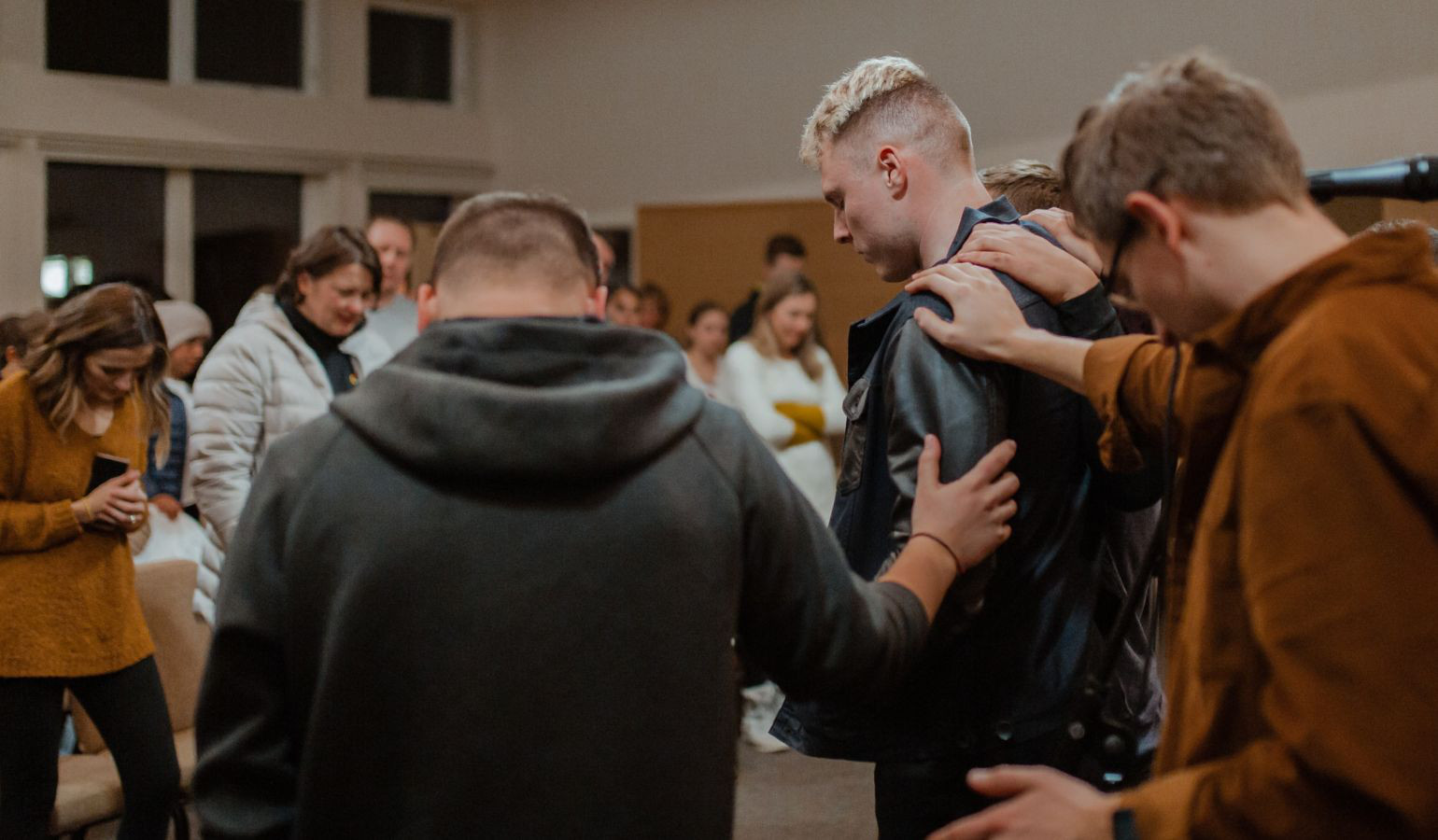
Mobilizing a First-Responder Network: Urgency, Action, and Long-Term Care
Responding to the needs of today's youth requires a first-responder mindset. We must be ready
to act swiftly and effectively in five key areas.
1. Where Is the Urgency?
When a hurricane strikes, first responders don't hesitate. They know that every minute counts in saving lives and minimizing damage. In youth ministry, we must cultivate the same urgency. Our students face daily storms from cultural pressures, social media influences, and spiritual confusion. If we don't engage with them quickly and intentionally, they will seek answers from a world that often leads them further away from God.
Luke 15:4 speaks to this urgency, reminding us of the shepherd who leaves the ninety-nine to find the one lost sheep. That one lost student might never come to church or a youth event. Do we have the same urgency to seek them out, or are we waiting for them to come to us?
2. Assessing the Damage
After any storm, first responders begin by assessing the damage. We need to do the same with our students. Each one has unique challenges. For some, it's anxiety or depression; for others, it may be identity issues or family problems. If we don't take the time to understand where they are emotionally, mentally, and spiritually, we can't help them effectively.
Building a team is essential. We need to involve parents, mentors, other youth leaders, and even peers who are equipped to assess the specific struggles of our students. Through intentional conversations and relationships, we can uncover the hidden storms and begin to respond.
3. Clearing Debris and Providing Care
In the aftermath of a natural disaster, roads are often blocked by debris, preventing progress. Similarly, students face internal "debris"-the lies they've believed, traumas they've experienced, and broken relationships that hinder their emotional and spiritual growth. As youth leaders, we are called to help clear these obstacles, addressing doubts, encouraging healthy boundaries, and helping them confront past hurts with God's truth.
At the same time, just as first responders provide immediate care to ensure survival, our students need spiritual and emotional support right when they're struggling. Whether it's guiding them through prayer, reminding them of their worth in Christ, or simply being a comforting presence, this care creates the space for healing to begin. By addressing both the immediate needs and long-term barriers, we help students move forward in their faith journey.
4. Focusing on Long-Term Restoration
While immediate care is critical, long-term restoration is the ultimate goal. First responders work not only to provide short-term relief but also to help rebuild in a way that strengthens the community for future challenges. In youth ministry, we need to focus on long-term discipleship, helping students build a foundation of faith that can withstand future storms.
This involves more than weekly meetings. It means intentionally investing in students' spiritual growth, equipping them with the tools they need to face the trials of life. Long-term restoration is about discipling students so they can become leaders who offer hope to others facing their own storms.
5. Working in Community
No emergency response effort happens in isolation. It takes a network of people working together to make a lasting impact. Youth ministry is no different. We need to build a network of youth leaders, parents, mentors, and students who can respond to the needs of our youth together. This shared responsibility not only multiplies our impact but ensures that no student is left behind.
The Storms of Life Are Here-Let's Respond
The storms of life aren't waiting. Anxiety, depression, peer pressure, and spiritual confusion are already overwhelming many of our students. As youth leaders, we have the opportunity to build a first-responder network that can step in with care, guidance, and hope when it's needed most.
The stakes are high, and the urgency is real. Let's not just help students survive these storms-let's equip them to stand strong and, in turn, become leaders who help others weather their own storms.